Alloy steel pipe fittings come in various types, such as alloy elbow, flange, alloy tee, four-way, etc. Each type of alloy fitting has its unique characteristics that make it suitable for specific applications. For instance, alloy elbows are used to change the direction of the flow of fluids, while alloy tees are used to merge or split the flow of fluids. Alloy flanges are used for proper alignment and support of piping systems, while four-way fittings are used to distribute fluids in various directions.
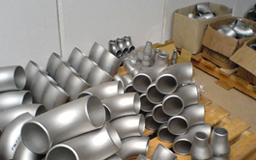
The use of alloy steel pipe fittings has several benefits. First, they offer excellent resistance to corrosion, which makes them ideal for harsh environments. They are also resistant to oxidation, which prevents them from rusting. Additionally, alloy fittings have high-temperature strength, which makes them suitable for applications involving high-temperature fluids or gases. They are also incredibly durable, which means they can withstand high-pressure applications without breaking or deforming.
In conclusion, alloy steel pipe fittings are essential components in various industries. They are made of different materials to suit different industrial requirements and are available in various types with unique characteristics. These fittings offer excellent strength, durability, and corrosion resistance, making them ideal for high-pressure, high-temperature, and corrosive applications. If you are looking to buy alloy steel pipe fittings, make sure you choose a reputable supplier to ensure you get high-quality fittings that will meet your industrial needs.